FAQs
Here are some commonly asked questions about our April Sun microgreens and herbs.
If you've got a question about our fresh produce that you'd like answered please reach out to the April Sun team at hello@aprilsunfarms.com.au
DO YOU NEED TO WASH MICROGREENS?
Although our microgreens are free from harmful pesticides, and grown and harvested in an ultra clean environment, it is recommended that you wash all your fruit and vegetables as a general rule.
HOW SHOULD YOU STORE MICROGREENS?
To ensure that your April Sun microgreens stay as fresh as possible and to extend their shelf life, be sure to keep them in the fridge.
CAN YOU JUICE MICROGREENS?
Research shows that microgreens can contain in excess of 100 times the nutrients by weight than their mature counterparts, making for an excellent addition to your juice or smoothie to add that extra nutritional punch.
Keep in mind, microgreens do have a stronger flavour than the full-grown vegetables so start off with a small handful and increase as desired.
HOW LONG DO MICROGREENS STAY FRESH?
As our Micro Salad Mixes contain a variety of microgreens, the shelf life can vary. If they are stored well in your fridge then they should stay fresh for up to 10 days.
If your microgreens are limp, have lost their crisp texture or have a very strong grassy smell, then avoid consumption and put them in your compost bin – along with our packaging.
CAN I COMPOST APRIL SUN PACKAGING?
Not only are our microgreens grown sustainably and are completely pesticide free, our packaging (including our stickers) are 100% compostable as they are made from plants.
IS APRIL SUN PRODUCE ORGANIC?
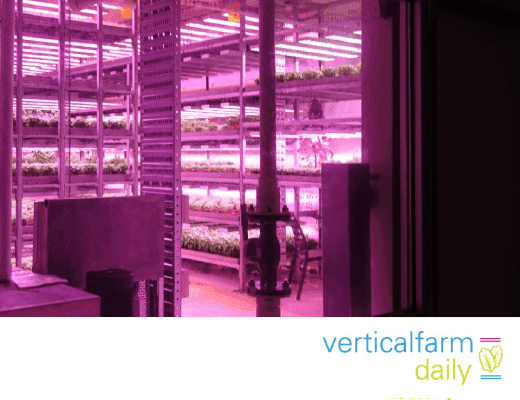
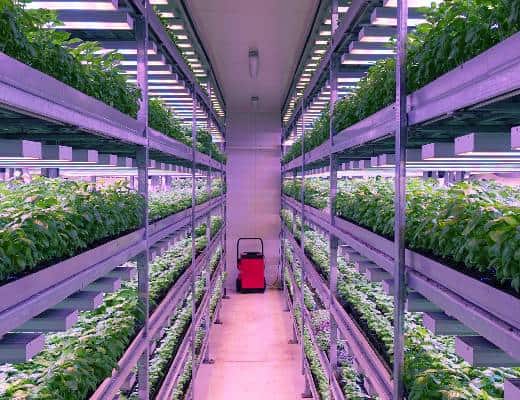
April Sun produce is post-organic. In Australia, certified organic food must be grown in soil, while US rules let hydroponic produce like ours be certified organic; either way, we call ours post-organic. We grow hydroponically: the roots take up nutrients straight from the water, bypassing soil, which can carry toxins into organic produce. We use no pesticides or other unnatural crop treatments either. Instead we use biological pest control, releasing beneficial insects such as ladybirds to protect your food from pests, rather than spraying it with pesticides that can be taken up into the produce as it grows.